
Hardwood Floor Restoration in Sioux Falls, SD: Thin Floors, Discontinued Profiles and the Subfloor Beneath | Sioux Falls Hardwood Flooring
Sioux Falls Hardwood Flooring, a hardwood flooring contractor in Minnehaha County, handles hardwood floor restoration in Sioux Falls, SD, for floors that need more than a fresh coat of finish. Wear through to bare wood, earlier sandings that have reduced the boards’ thickness, and a subfloor that has shifted beneath them are connected problems that restoration addresses together. Before sanding begins, we measure how much wood remains. That reading shows whether your floor can be saved: the sandable material is finite, and nothing puts it back.
Century houses in and around Minnehaha County often have original oak beneath the carpet. Red oak and white oak from that era were milled in profiles that are no longer made. With 15 years of experience on Sioux Falls floors and NWFA practices guiding our work as a hardwood floor restoration company, we can tell you which boards are worth keeping.
A floor that needs only sanding, has one failed board, or has been wet falls under a different service. If you want to restore hardwood floors that have been walked on or covered for decades, call us at (605) 799-9142 or describe the rooms in the quote form.
Get A Free Estimate
Historic Hardwood Floor Restoration
Many older Sioux Falls houses have narrow oak strip flooring, with each row nailed down separately. Most of these floors remain beneath newer flooring, and the original wood carries decades of wear along with problems in the layers below. Old wood floor restoration addresses the boards and their support as one job; fixing one without the other leaves the floor no better than before.
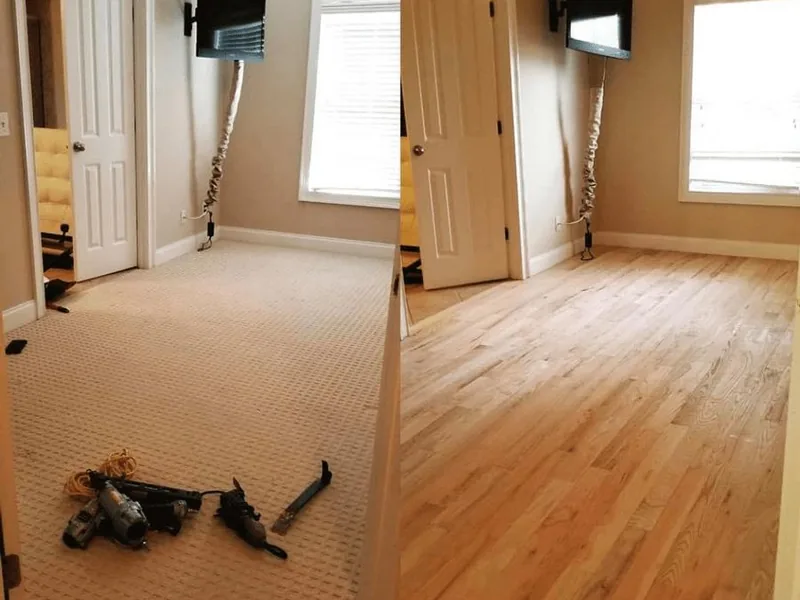
Original Oak Found Under Carpet
The most common restoration call comes after you remove carpet or linoleum and uncover hardwood floors under carpet that nobody has looked at in decades. In houses this age, the boards beneath are usually oak strip flooring, dulled and dry but sound through the middle of the room. Damage is concentrated around the edges, where carpet tack strips left a line of nail holes and staples and dried adhesive residue from a glued overlay still cling to the surface. The perimeter also has the least wood remaining, so we inspect it first to decide whether the oak floor under the carpet can be restored.
Sheet flooring, its backing, and the adhesive beneath it can contain asbestos, so we do not sand or disturb material suspected of containing it. A qualified professional tests it first, and the result determines whether we can work on the floor.
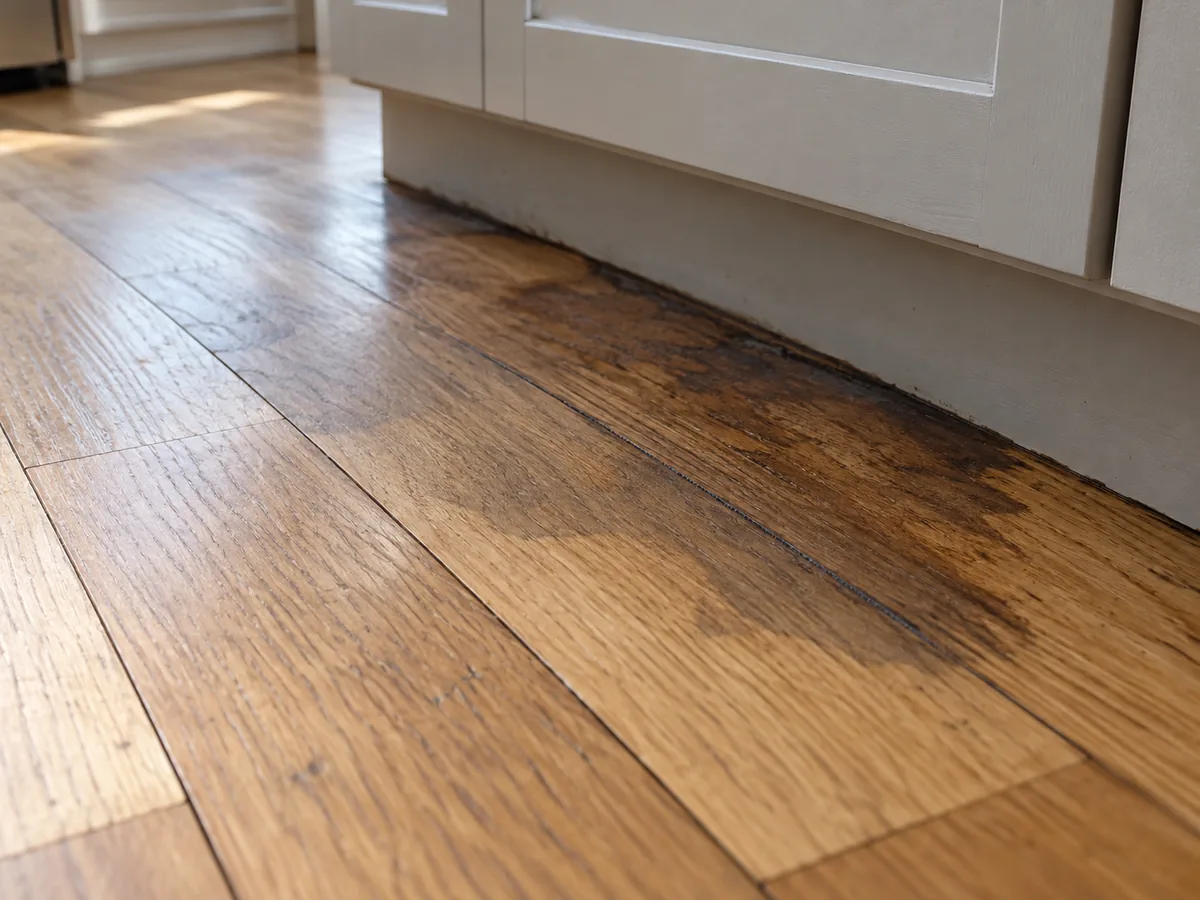
Stains and Damage Sanding Cannot Reach
Black stains in hardwood floorboards are the problem owners most expect sanding to remove, but sanding cannot clear them. Oak contains tannins, natural compounds in the wood, that react with metal salts in pet urine and with water left standing for a long time. The reaction can penetrate the full depth of a board instead of staying on the surface, and urine often soaks into the subfloor beneath it as well. After sanding exposes bare wood, oxalic acid, a bleaching agent, lightens tannin stains; it does not work through a finish.
The depth of the damage and whether bleaching lifts the stain determine if we remove the board. A shallow stain often sands or bleaches away; one that has blackened the board through its full thickness does not. If the stain has reached the subfloor, we seal or replace that section as well.
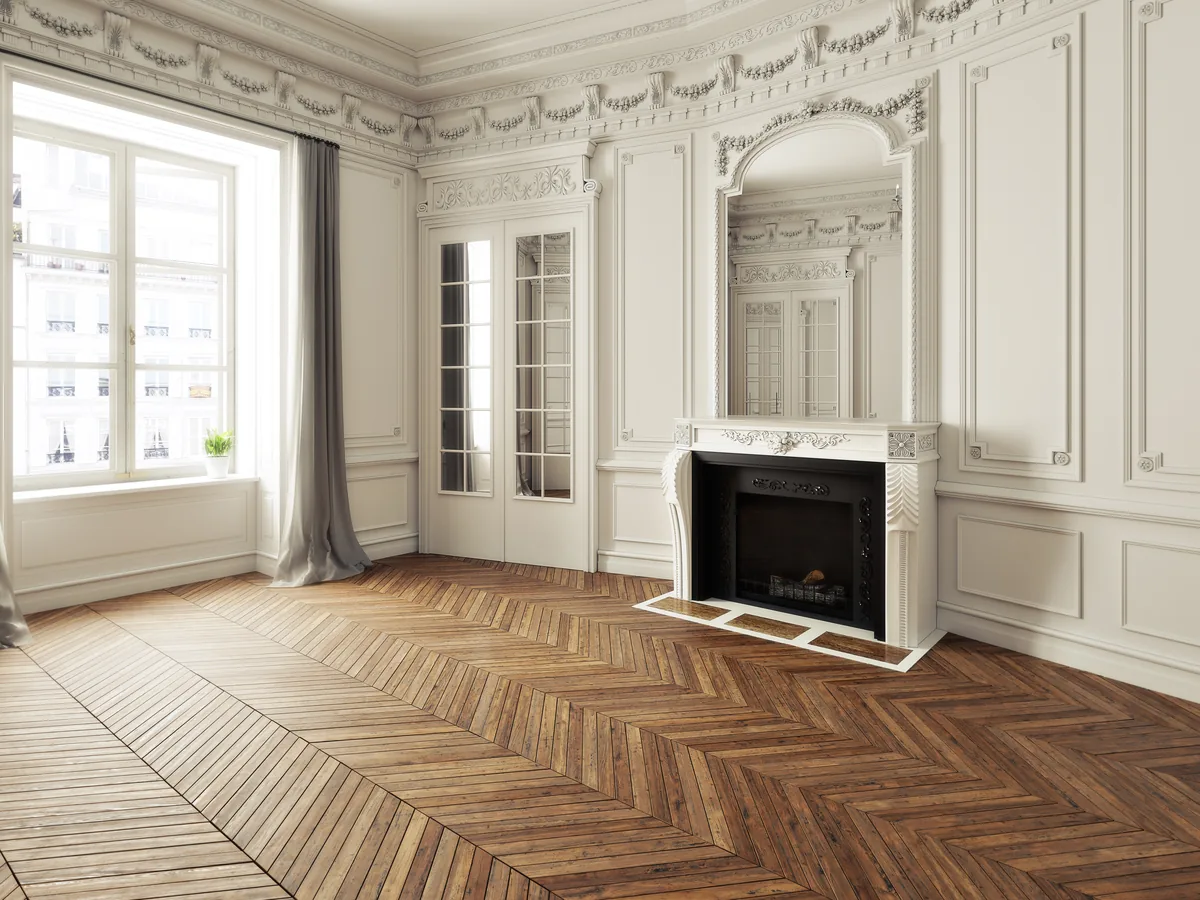
Floors in the Historic Districts
The oldest floors in Sioux Falls are found in McKennan Park, All Saints, Cathedral Historic District, Sherman Historic District, and Pettigrew Heights. Several are National Register districts, while Pettigrew Heights is a city neighborhood of about 60 blocks beside downtown. The age of the floors in these houses shows in their narrow strip boards, nails driven through the board faces instead of hidden along the edges, and quartersawn white oak with tight, straight grain. McKennan Park hardwood floors usually sit on plank subfloors, and most have been worked on before.
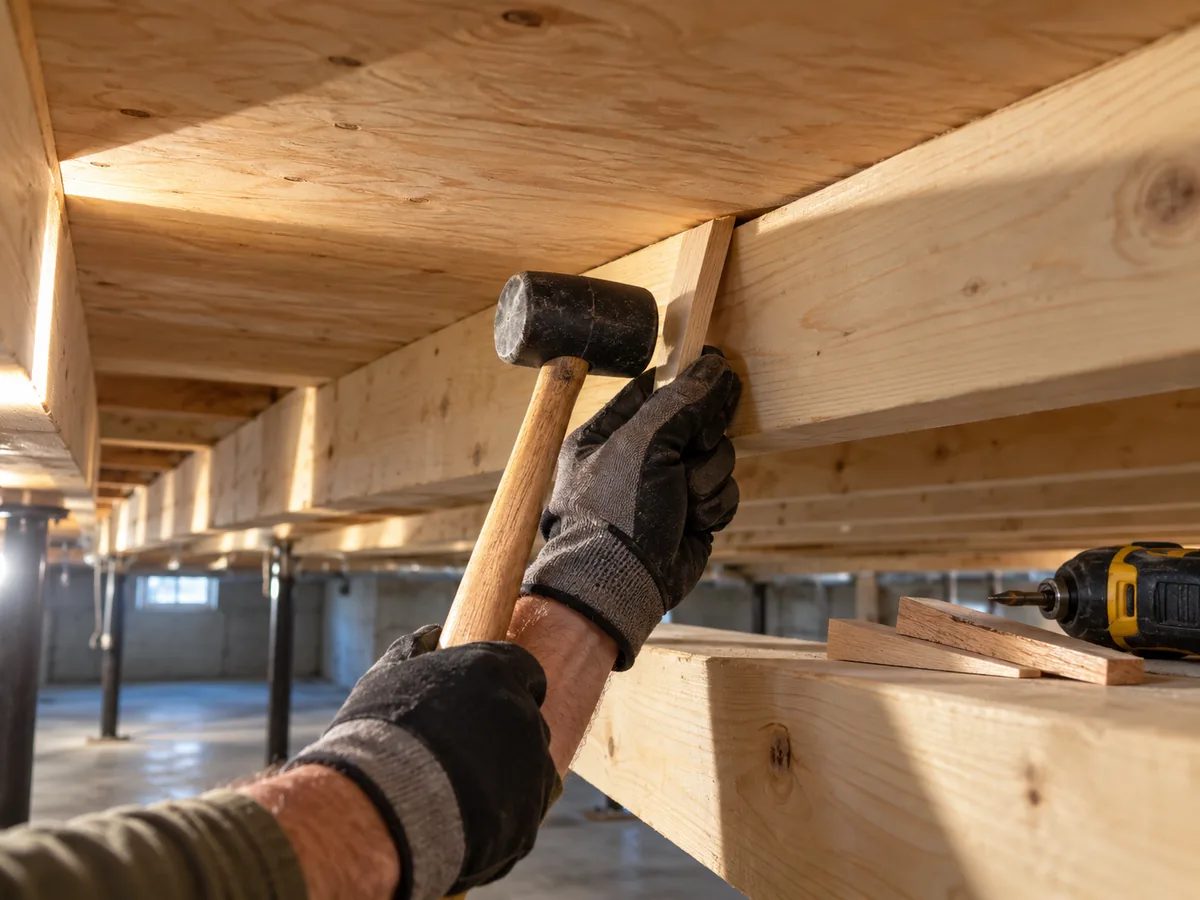
Subfloor Correction Under an Old Floor
You notice hardwood floor subfloor correction before you can name it: the floor gives underfoot, springs, or feels soft in one area. That movement almost always comes from below the boards. Over time, fasteners loosen in old plank subfloors, and board ends lose support where an underlying panel has failed. We carry out subfloor repair under hardwood before sanding begins. Our published rate covers the work listed in the estimate, and we document and get your approval for anything we find after opening the floor.
Assessing Whether an Old Floor Can Be Saved
A hardwood floor has a limited amount of wood a sander can remove, and how much remains depends on your floor. It is governed by the thickness above the tongue, the boards’ condition, and how much each sanding pass removes. Floors in older Sioux Falls houses have usually been sanded at least once, so some of that material is gone before we arrive. That is why a hardwood floor assessment comes before any price: we measure what remains and explain what it allows. Sanding does not put wood back, so this measurement sets the limit for every later step.
Measuring What Is Left Above the Tongue
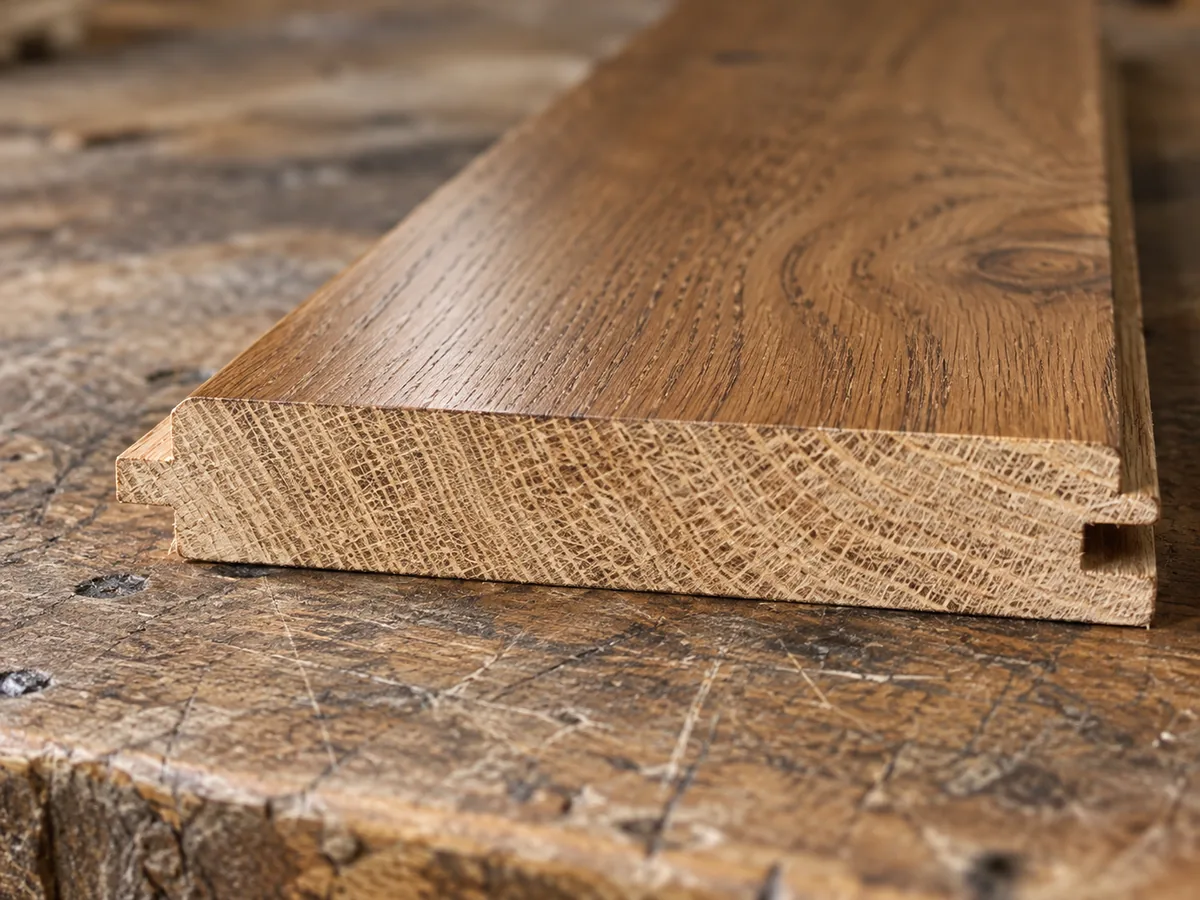
Each board in a solid floor has a tongue along one edge, a machined lip that fits into the matching slot in the next board and holds them together. Only the wood above the tongue can be sanded; below it, the sander would cut into the part that keeps the floor joined and fastened down. We check the exposed edge of a board at a floor register or threshold, or lift a board where possible, to find out how much wood is left to sand. No single measurement makes every hardwood floor too thin to refinish. The original thickness, wood species, and number of previous sandings determine that limit together.
Drying a Cupped Floor Before It Is Sanded
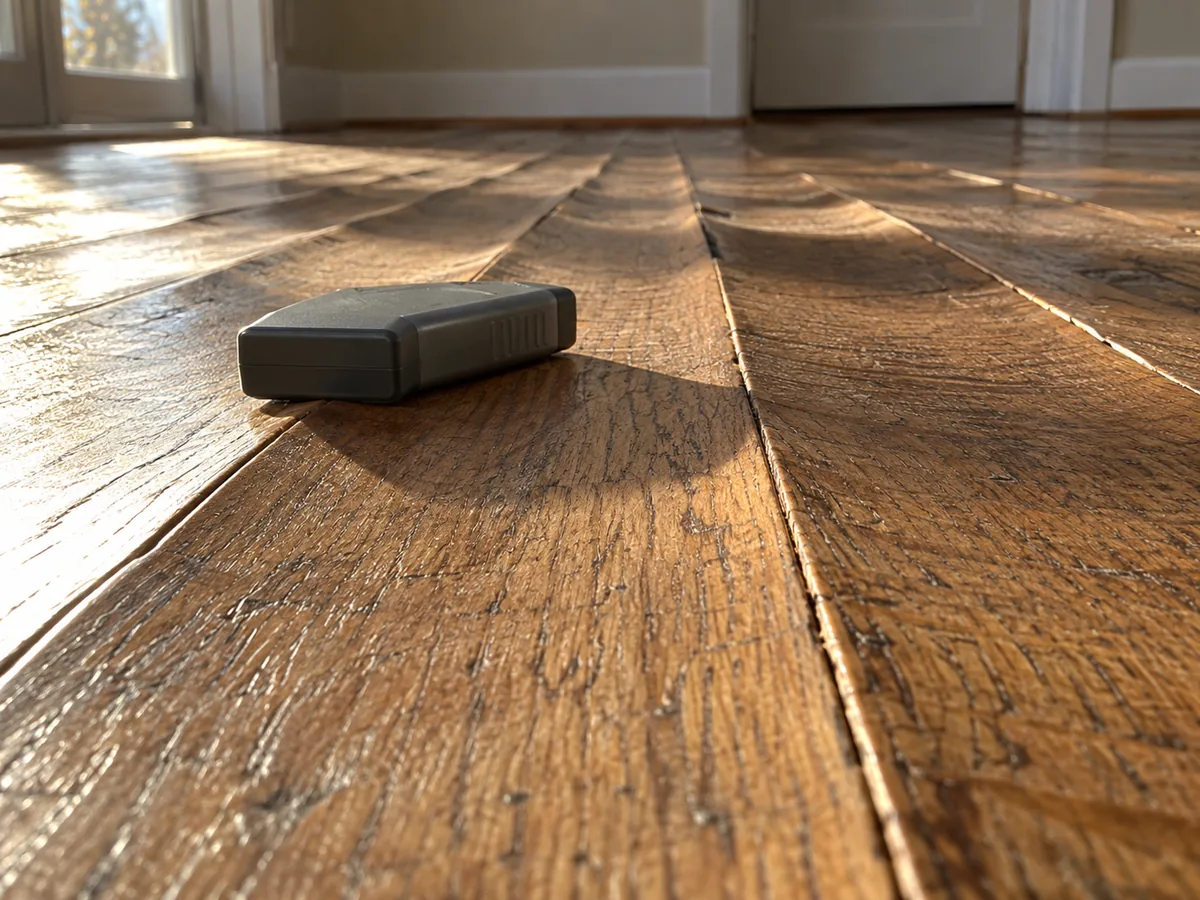
A cupped hardwood floor has board edges that sit higher than the centers because the underside absorbed more moisture than the face and swelled. Whether the floor can be sanded depends on how much moisture remains.
Sanding off the raised edges while the undersides are still swollen leaves the boards convex after they dry and level out. That condition is called crowning. Putting a crowning hardwood floor right usually requires another sanding, and whether correction is possible depends on the floor’s stability and how much wood remains. We take moisture meter readings and let the floor stabilize first; that requires waiting, not a special technique. Our water damage service handles the source of the water.
Stripping Layers a Century Put Down
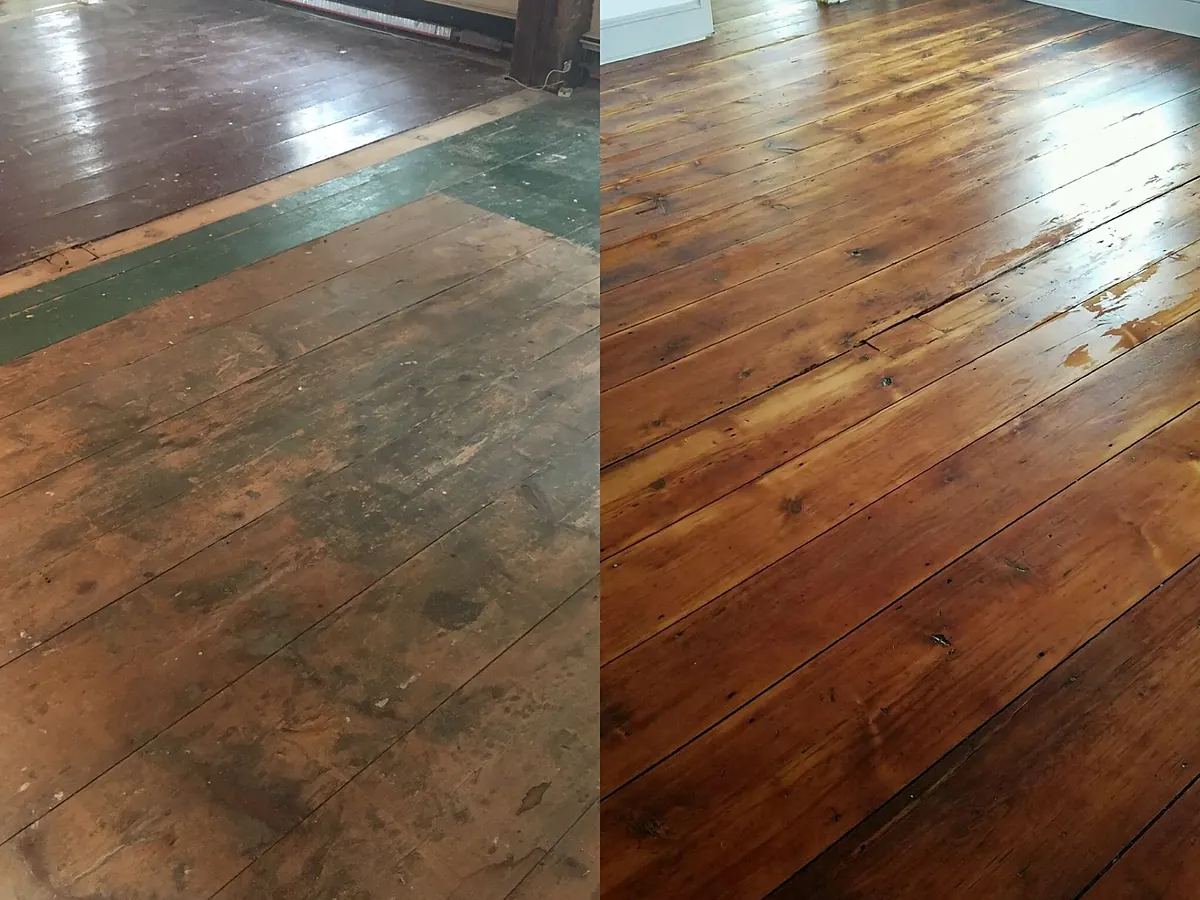
A floor this old carries several generations of coating, each applied over the one before it. The oldest layer is shellac, a thin finish made from resin dissolved in alcohol. Varnish came later, followed by polyurethane, and each gives way under abrasive at its own rate. Varnish can lift cleanly in one spot and turn into a gummy skin under abrasion elsewhere in the same room, so we strip a test corner and watch how it releases before working across the room. Beneath boards that were later covered with an overlay, we also find tar paper and felt. Stripping an old finish too aggressively removes wood the floor needs for its next refinish.
Restoring a Pre-Finished Floor
Pre-finished hardwood floors can be refinished, but sanding a micro-bevel flat removes the groove at every joint, changing the look of the floor you remember. We discuss this with you first because those shallow grooves have been part of the floor you walk on for years. Factory finishes also wear down sanding abrasives because many contain aluminum oxide, which is abrasive itself. If only part of the floor is worn, replacing the affected boards is sometimes a better choice than sanding the bevel off throughout every room.
Where Restoration Stops and a New Floor Starts
Restoration can save floors that a refinish cannot, but it has limits. A hardwood floor is beyond repair when no sound wood remains above the tongue or past sanding has cut down far enough to expose the fasteners holding the floor in place. Those fasteners are different from the original nail heads, which were intentionally set through the board faces. A floor is also beyond restoration when too many boards are too damaged to lace in replacement pieces. We determine whether to replace or restore the hardwood floor during the estimate, before bringing machines into your home. Installing a new floor is part of our installation service.
Matching and Repairing Original Floorboards
When boards are missing or beyond repair, we fit new boards into the existing floor. Each replacement must match what is already there in five ways:
- We match the species because it determines the color the board takes.
- We match the cut to keep the grain pattern consistent.
- We use the original width because even a close match can leave a visible line across the room.
- We match the thickness so the sander crosses the joint without leaving a step.
- We align the grain so light falls on the patch the same way it falls on the rest of the floor.
We most often match old-growth red oak and quartersawn white oak, using reclaimed stock for many replacements. The timber is available, and quartersawn stock is still milled new, though it is costly and supply is tight. Matching the original profile is the hard part.
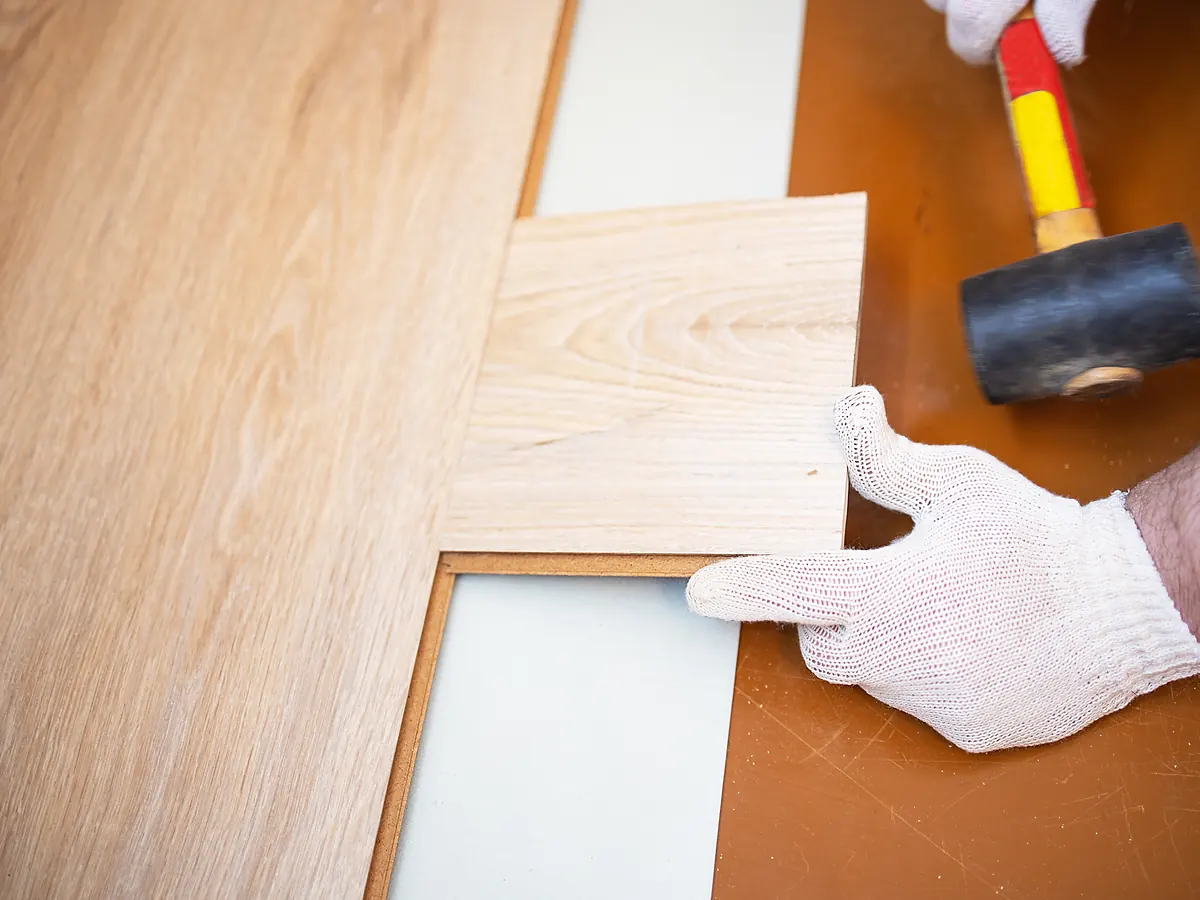
Lacing cuts replacement boards to different lengths, scattering their end joints among the old joints instead of lining them up. A rectangular patch of new boards stays visible for the life of the floor. Lacing prevents that rectangle, and we carry the finish from wall to wall. The new boards may still differ slightly in color and grain from the old ones; lacing removes the straight edge that draws your eye. A single failed board or gaps across a whole floor fall under our repair service.
Our Hardwood Floor Restoration Process
Every restoration by Sioux Falls Hardwood Flooring follows the same sequence, from inspecting your boards to returning the room to use. We settle each decision before the machines arrive.
-
1.
We assess the floor and its layers of old finish.
-
2.
Before work begins, you receive a written scope and price range.
-
3.
We isolate the work areas and set up containment.
-
4.
We repair the subfloor and lace in sourced boards where pieces are missing.
-
5.
We sand the floor to bare wood and apply the new finish.
-
6.
We plan your return around cure time, not dry time.
Call us at (605) 799-9142 or send your project details through the quote form. We will tell you which service your floor needs.
Dust Containment on an Occupied House
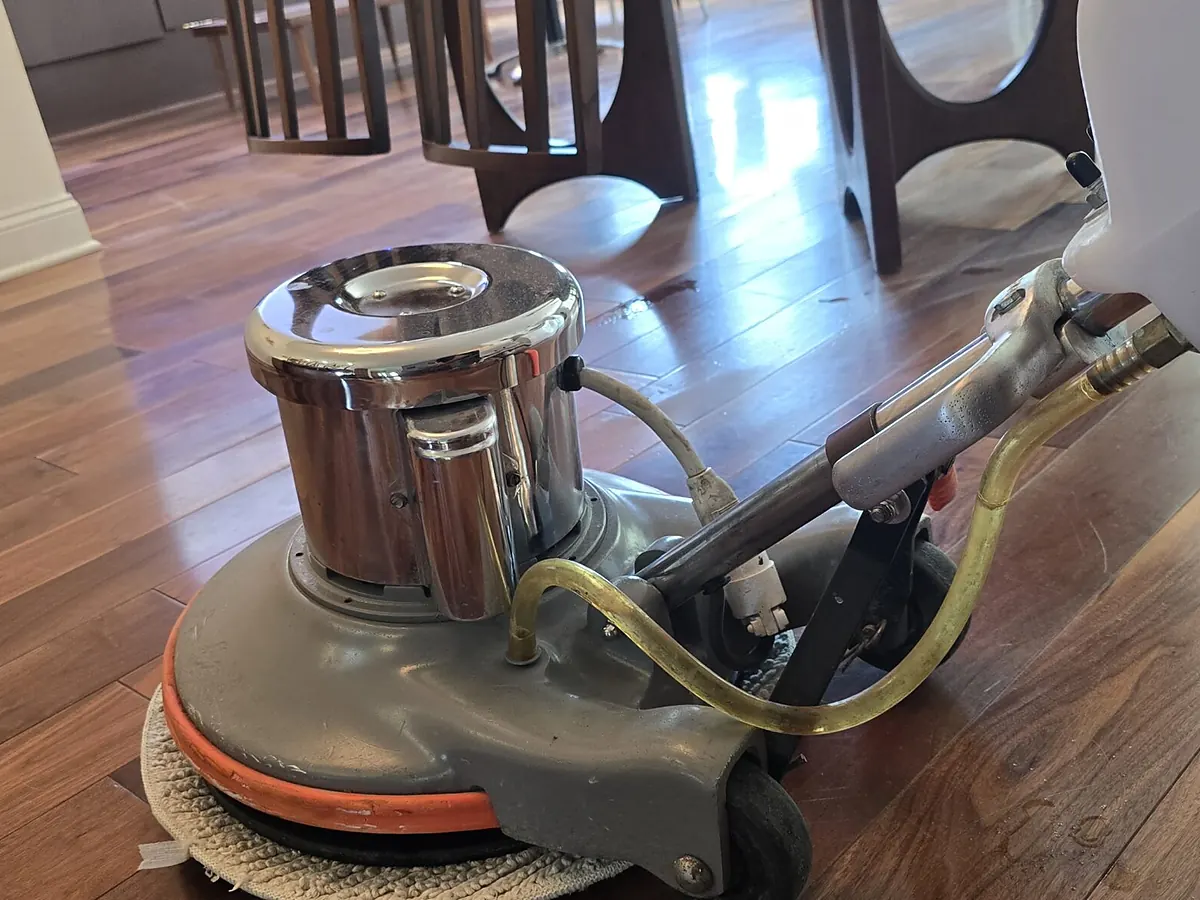
Fine sanding dust travels through the air in an occupied home and settles in rooms where no work was done. Dust containment runs on every sander we use, on every job. The machine connects directly to dust extraction with a HEPA filter, rather than to a shop vacuum in the hall. We sheet the doorways, cover the cold-air returns, and mask the supply registers and built-in cabinetry that cannot be moved. The returns need the most attention because the furnace draws air through them and could carry missed dust throughout the house.
Finishes for Restored Hardwood Floors
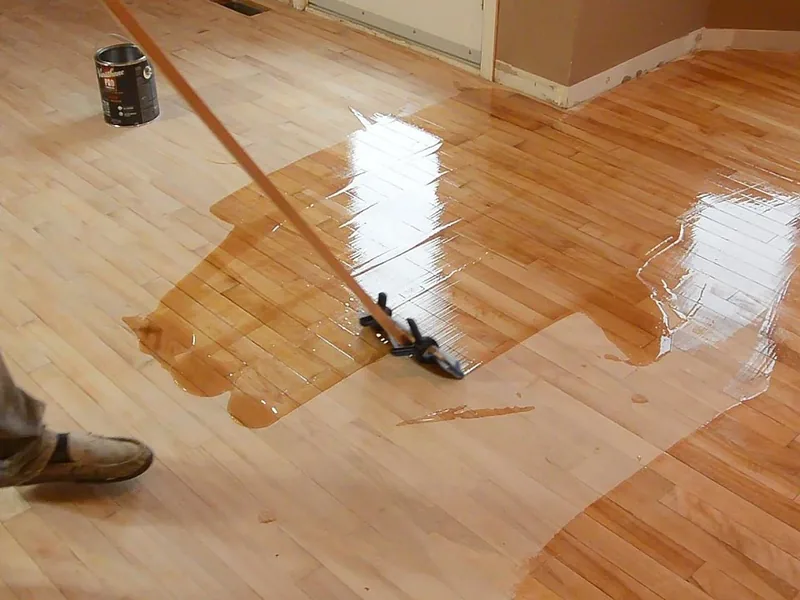
The final coating for your restored floor is chosen to suit your household as well as the boards. Who lives in the house affects how much odor and disruption you can manage during the work: a home with small children or pets has less flexibility to wait than an empty one. Your timeline for using the room narrows the options because each product has a different period when you must stay off the floor. We also consider how the floor will be renewed when it dulls again, since your coating choice determines what that work involves.
Finish Options
A finish for an old hardwood floor comes from one of two families, and they renew differently. A film finish cures into a clear layer on the wood. While that layer remains intact, we abrade it and apply a new coat without removing wood. That work is our screen and recoat service. If the film wears through to bare wood or you want to change the color, renewal requires sanding, which removes some of the floor’s wood.
A penetrating oil works differently: it soaks into the boards, then is cleaned and reapplied in place. A sound floor needs no abrasion for this renewal. For a thin floor, the key question is how many full sandings remain.
Our two-component waterborne film finishes include Bona Traffic HD and Loba 2K Invisible. They provide strong wear resistance, low odor, and very little ambering. Oil-modified polyurethane gives the boards a warmer amber tone; we use DuraSeal on most of those jobs. Our hardwax oils are Rubio Monocoat and Osmo Polyx. We can specify a low-VOC waterborne finish if that matters to you. Color is a separate choice, and stain matching is part of our staining service.
Cure Time and Occupancy
Whether you need to leave during a refinish depends on the finish family and how well we can ventilate the rooms. Fumes drive most households out, especially when pets or small children are at home. Low-VOC waterborne products are formulated to release fewer solvents, making it practical to stay home for many jobs. Plan for cure time, not just dry time: a floor can feel dry while it is still hardening. Each finish maker sets its own schedule, with separate return times for walking on the floor, replacing furniture, and laying rugs. We plan your return one room at a time.
Pricing
What Hardwood Floor Restoration Costs in Sioux Falls
Hardwood floor restoration in Sioux Falls costs $6 to $11 per square foot. That price includes the subfloor repairs listed in your estimate, so the boards and the structure beneath them are covered together. After assessing your boards, we put the hardwood floor restoration cost in a written estimate, because how much sound wood remains is what sets it. If the floor is too worn to restore, we price a new floor under a separate service. Your on-site estimate is free. Call us at (605) 799-9142 or put your rooms into the quote form.
What Moves a Restoration Price
Four factors determine where your floor falls within that range, and each depends on the floor itself. First, how much of the old accumulated layers has to come off: thicker buildup requires more sanding passes and takes longer. Second, the replacement boards that must be sourced and laced in, which cost more than sanding the boards already there. Third, the square footage of subfloor that needs to be opened up. Fourth, the finish, since hardwax oil and two-component waterborne finishes have different prices. Stair work and gap filling are quoted separately.
Why Choose Sioux Falls Hardwood Flooring
Before quoting a price, we inspect your floor and record what we find in each room. You receive a written scope listing the rooms, the work each one needs, the finish we will apply, and the resulting price range. That document sets the scope we follow.
We add no work to the scope without your written approval. Old floors can hide problems that appear only after the boards come up. If we find concealed damage, we document and price it before doing the work. Dust containment is standard in an occupied house, so you can keep using the rest of your home while we work in the rooms listed in your scope.
Sioux Falls Hardwood Flooring is a local company with 15 years in business. We carry the insurance and bonding applicable to our work and can provide documentation on request. We follow NWFA practices when restoring your floors. A wood floor restoration company should provide that information before quoting a price. To have your floor assessed, call us at (605) 799-9142 or send the details through our quote form.
Free Estimates, Financing and the Manufacturer's Warranty
We provide free estimates and offer financing for larger projects. Flooring and finish materials carry their manufacturer's warranty. The warranty comes from the companies that make the boards and coatings, and covers those materials rather than our labor. A free estimate means the reading and the scope cost you nothing before you decide anything, so you can weigh what the floor needs against what you want to spend. Financing is available for larger projects, such as restoring a whole floor rather than one room.
Restoring Older Floors in the Sioux Falls Climate
Sioux Falls winters are long: January averages around 18 degrees, with roughly 25 days at or below zero. The furnace runs for months, keeping indoor air dry. The NWFA sets normal indoor living conditions at 30 to 50 percent relative humidity, the range hardwood flooring is built for. Indoor humidity in Sioux Falls homes falls outside that range each heating season and returns during humid summers.
Gaps That Open in the Heating Season
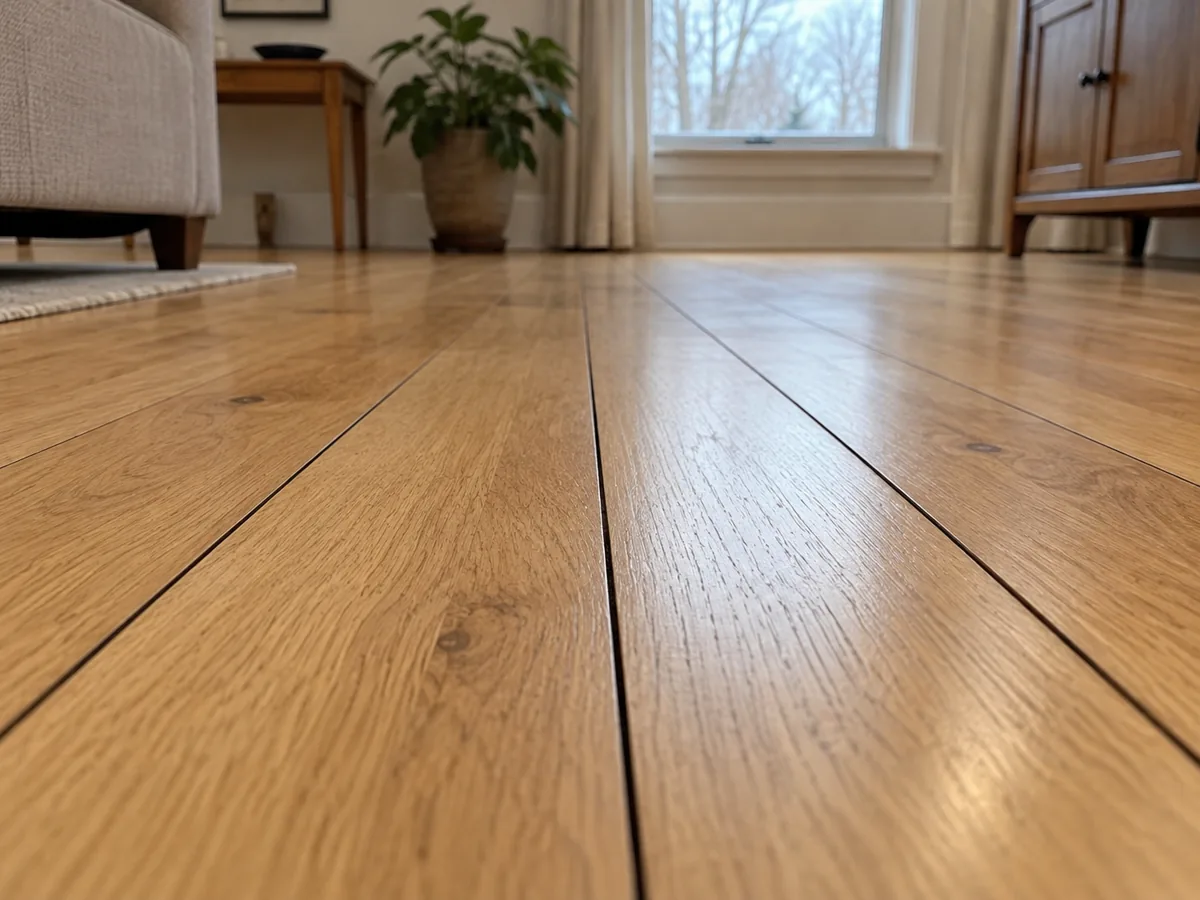
As indoor air dries, oak boards lose moisture and narrow slightly, opening the joints between them. Winter gaps in a hardwood floor reflect seasonal movement, not damage; the boards swell again through a humid July until the gaps close. How wide your joints open depends on board width, species and cut, how dry the house gets, and how the floor was installed, not age alone. Restoration sands old oak strip flooring to bare wood and refinishes it, but it does not keep the joints closed. Filling gaps across the whole floor is part of our repair service.
Service Area
Hardwood Floor Restoration Service Area
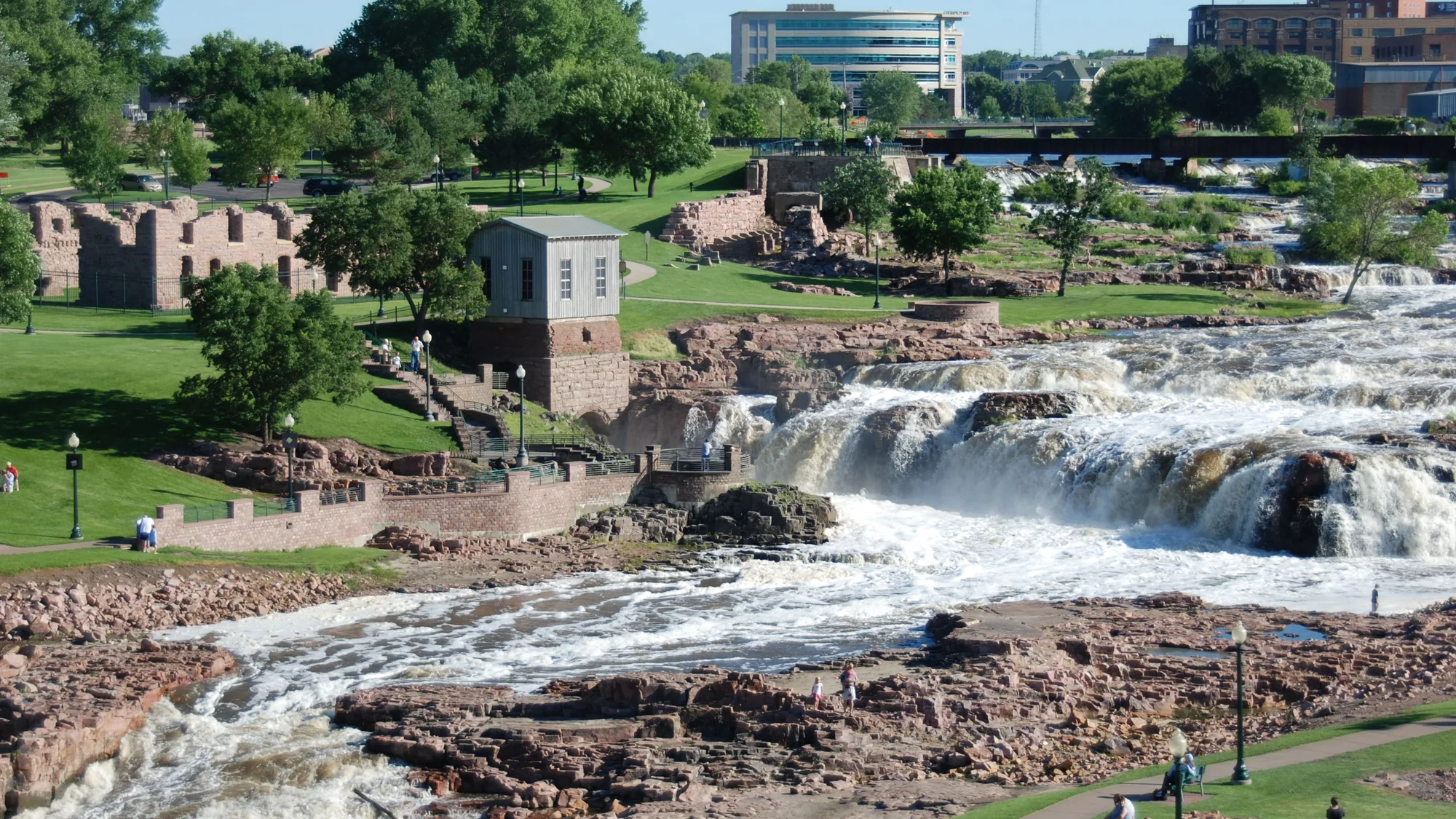
The floors worth restoring are in older houses throughout the metro, not just within Sioux Falls. That same older housing stock extends into the smaller towns, so our hardwood floor restoration service reaches beyond the city limits. We serve homes in those towns just as we serve homes downtown.
Communities We Restore Floors In
Sioux Falls Hardwood Flooring serves South Dakota only; we do not cross into Minnesota or Iowa. We serve Brandon, Harrisburg, Tea, and other communities across Minnehaha and Lincoln Counties. We also work in Chancellor, in Turner County. A hardwood floor restoration in Brandon, SD, or a wood floor in Harrisburg, SD, follows the same estimating and scheduling process as a project near our address. If your home is in one of these South Dakota communities, we follow that same process for your project.
Communities We Serve
- Brandon
- Harrisburg
- Tea
- Hartford
- Dell Rapids
- Lennox
- Canton
- Crooks
- Baltic
- Worthing
- Valley Springs
- Garretson
- Humboldt
- Colton
- Renner
- Chancellor
FAQ
Hardwood Floor Restoration FAQs
How expensive is it to restore hardwood floors?
The cost to restore hardwood floors runs $6 to $11 per square foot. We assess your floor and provide a price within that range. It includes the subfloor repairs your estimate identified, which is why restoration starts above a refinish.
Can faded hardwood floors be restored?
Yes, faded hardwood floors can be restored. Sunlight fades the finish and the wood’s surface together, and the fading stops at a sharp line where a rug has covered the boards. Sanding to clean wood evens the color, though an area kept under a rug can still look different. Choosing a new color is our staining service.
Can you restore hardwood floors without removing all the furniture?
The machines need access to the entire floor, so each room listed in your scope must be empty before work begins there. Your scope sets the order for the rooms, letting you keep using the rest of the house as we work through them.
How long does hardwood floor restoration take?
Hardwood floor restoration has no fixed timeline; its duration depends on four factors. The floor area, the amount of replacement board to source, how much subfloor needs to be opened, and the cure schedule for your chosen finish all affect the timing. Your scope lists the sequence for your rooms.
Can we live in the house while the floors are being restored?
Many households stay home because we contain dust on every job. Low-VOC waterborne finishes release fewer solvents than oil-modified finishes, and cure time determines when you can return to the room. Households with a dog or toddler more often choose to stay elsewhere.
What happens if you uncover damaged subflooring?
If we find damage beneath the boards that was not listed in the estimate, we stop work, document it, and show you before proceeding. The rate covers the subfloor work identified in your estimate. Any additional work is priced and approved in writing first.
Request a Free Restoration Estimate
We will come out and look at the rooms you are considering at no cost. You end up with a written scope for restoring an older hardwood floor and a range beside it, which is a plan rather than a question. Call (605) 799-9142 for a free on-site estimate, or use the quote form to request a proposal.